Meet the Data Centre Beast
Meet Proline's SLINET coil storage system—an investment in faster, more automated material handling for major data centre, hospital and infrastructure projects.
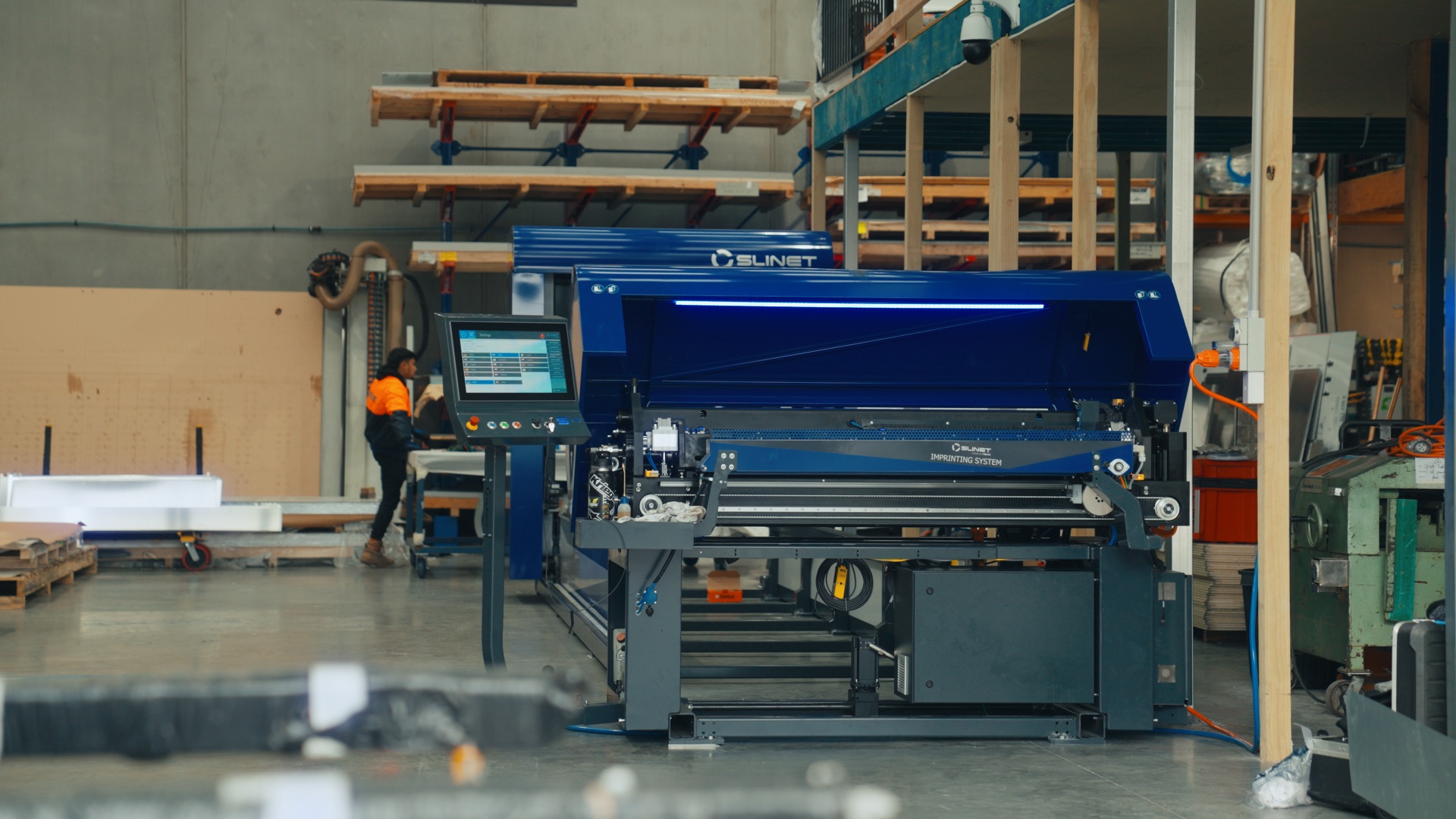
Getting this machine into the Proline factory took some planning. It had to be unloaded, moved through the entrance and carefully positioned on the factory floor. The video captures that process, along with a first look at it in action.
We call it the data centre beast. It's our SLINET coil storage system, and it's part of a much bigger investment in how we manufacture.
We've built our factory operation around speed and automation to service large-scale data centre, hospital and infrastructure projects. This machine has a specific job within that operation: managing the material that feeds production.
The arrival, installation and first look at Proline's SLINET coil storage system in action.
Why We Invested in It
Supplying major projects takes more than having enough material on hand. The factory needs to keep work moving as different orders, materials and production requirements come through.
Time spent finding, handling and changing material can add up. Those steps deserve the same attention as the manufacturing work itself.
That's been a focus for us at Proline. When we invest in equipment, we look at where it fits into the factory and how it supports the work around it. We consider what happens before material reaches a machine and where it goes afterwards.
The SLINET system fits that approach. It brings automation to coil storage, making it part of the production process rather than simply somewhere to keep stock.
What the Machine Does
Sheet metal coil is the starting material for a range of manufactured products. Storing it requires space, suitable equipment and a way to make the right material available for production.
The SLINET system uses a dynamic storage arrangement. Instead of assigning every coil a fixed position, it adjusts the spacing according to each coil's outside diameter. As coils become smaller through use, the system can position them closer together and make better use of the storage area.
The manufacturer describes a fully electric system with individually identified coil axes and servo-controlled movement. You can read more about how it works on the SLINET website.
For us, this is the kind of automation that makes sense on a factory floor. It applies technology to a regular part of the job, with a clear role in how material is organised and moved.
Built for the Work We're Taking On
The nickname gives away one of the main reasons behind the investment.
Data centres are a key part of the work we've built our operation to service, alongside hospitals and large infrastructure projects. These jobs involve substantial coordination between suppliers, contractors and installation teams.
Our part in that starts well before a delivery reaches site. It starts with how we organise production, the equipment we use and the people responsible for getting the work through the factory.
Speed and automation have guided those decisions. The SLINET system is one part of that setup, working within a factory operation designed around the demands of larger projects.
It also reflects how we think about capacity. Floor space and machinery matter, but so does the way each stage connects. Investing in material storage and handling is part of making the whole operation work better.
Getting It into Place
The video shows the physical side of the installation. There's a lot to coordinate when equipment of this size arrives, from the unloading through to the final positioning.
It's also a chance to see the people behind the factory. Equipment gets plenty of attention, especially when it looks like this, but it takes a team to get it installed and put it to work.
Once it's in position, the focus turns to its everyday role in production. That's where the investment needs to deliver.
For Proline, the data centre beast is part of the work we're doing to support large-scale projects with a factory built around speed and automation. The arrival was a milestone. Putting it to work is what matters now.
Watch the video for a look at the installation, then see the beast in action.